

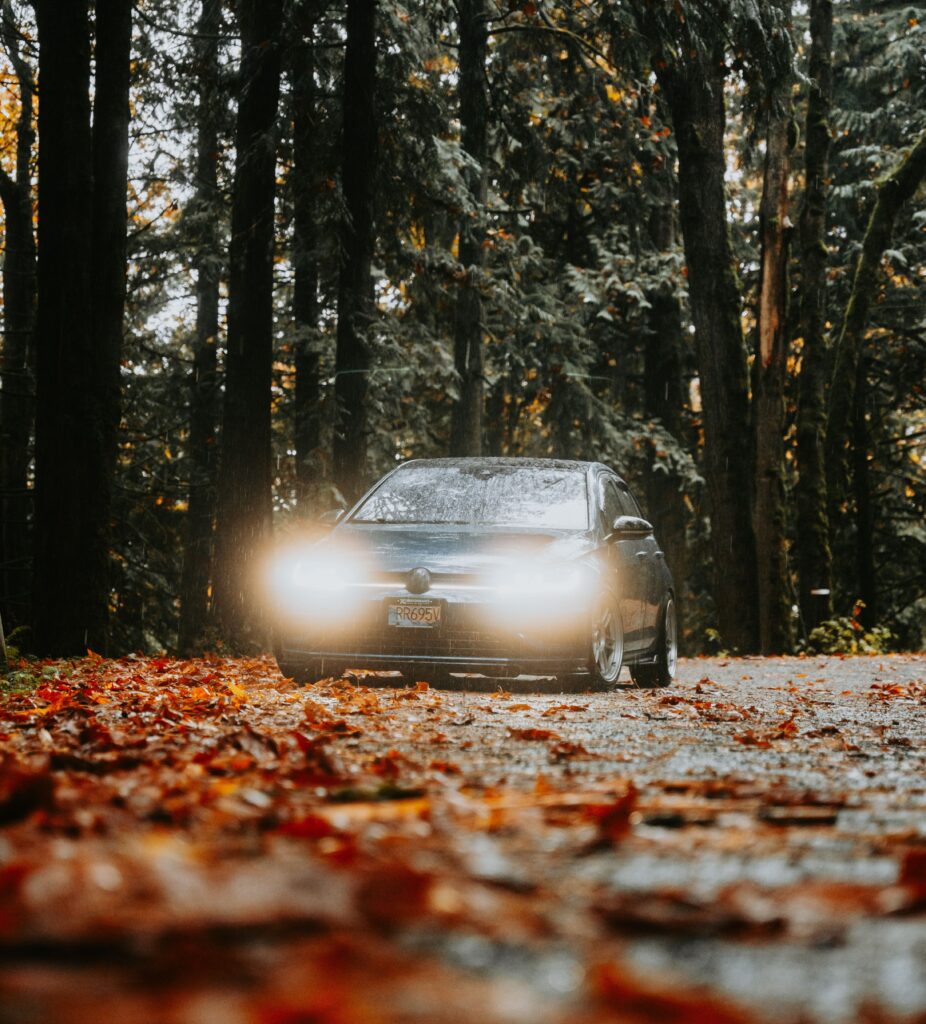
As the leaves begin to change and temperatures start to cool, many New Jersey drivers look forward to everything autumn has to offer. However, while fall is a beautiful season throughout Manalapan and Monmouth County, it also brings unique driving hazards that can significantly increase the risk of motor vehicle accidents.
From reduced daylight hours and wet leaf-covered roadways to school traffic and unpredictable weather conditions, autumn presents challenges that drivers may not encounter during the summer months.
Understanding these seasonal risks can help motorists stay safe and protect themselves and their families on the road.
At UBFK Law, we help accident victims in Monmouth County and throughout New Jersey pursue compensation after car accidents caused by negligent drivers. Here’s why crash rates often increase during the fall and what you can do to reduce your risk.
Why Are Car Accidents More Common in the Fall?
Many drivers associate dangerous road conditions with winter snow and ice. However, fall presents several unique hazards that contribute to an increase in collisions throughout New Jersey. Common fall driving risks include:
- Wet leaves on roadways
- Reduced daylight hours
- School-related traffic congestion
- Increased pedestrian activity
- Autumn rainstorms
- Wildlife crossings
- Distracted driving
- Holiday travel and weekend traffic
A combination of these factors can create dangerous conditions for even the most experienced drivers. It is vital to stay alert on the roads due to these tricky driving conditions.
Wet Leaves Can Be as Slippery as Ice
One of the most overlooked fall driving hazards is wet leaves. When leaves accumulate on roads, parking lots, and intersections, they can become extremely slick after rainfall. In many situations, wet leaves reduce tire traction in a manner similar to icy conditions. Wet leaves can contribute to:
- Longer stopping distances
- Skidding and loss of control
- Hydroplaning-like conditions
- Reduced visibility of road markings
- Hidden potholes and road defects
Drivers should reduce their speed and increase following distances when traveling on leaf-covered roads.
Shorter Days Mean Reduced Visibility
As daylight saving time approaches and daylight hours decrease, more drivers find themselves commuting in darkness. Reduced visibility can make it more difficult to see:
- Pedestrians
- Cyclists
- School crossing guards
- Disabled vehicles
- Road hazards
- Construction zones
Nighttime driving requires increased caution, especially during the busy evening commute. Stay vigilant and decrease your speed.
Back-to-School Traffic Creates Additional Risks
Fall marks the return of students to classrooms across Monmouth County. As a result, drivers often encounter:
- School buses making frequent stops
- Congested drop-off and pickup areas
- Teen drivers commuting to school
- Increased pedestrian traffic
- Children crossing streets unexpectedly
Drivers should remain particularly attentive near school zones and residential neighborhoods during morning and afternoon hours.
For more information on back-to-school traffic accidents, see our recent blog post, Back-to-School Traffic Accidents: Safety Tips and Your Legal Rights
Autumn Rain and Changing Weather Conditions
Fall weather can be unpredictable. Rainfall often combines with fallen leaves, creating especially hazardous road conditions. Drivers may also encounter foggy mornings, sudden weather changes, strong winds, reduced visibility, and slippery pavement.
Motorists should adjust their driving behavior to accommodate changing weather conditions and allow additional travel time when conditions are poor.
Wildlife-Related Accidents Increase in the Fall
Autumn is also one of the busiest seasons for deer activity throughout New Jersey. Wildlife-related crashes frequently occur during early morning hours, dusk and nighttime. Rural and suburban roadways and areas near wooded property are where we see these accidents most.
Swerving abruptly to avoid an animal can sometimes result in a more serious collision with another vehicle or fixed object. Drivers should remain alert, particularly on roads near parks, wooded areas, and open spaces.
Common Causes of Fall Car Accidents
While seasonal factors contribute to increased risks, many accidents still result from driver negligence. Common causes include:
Distracted Driving
Texting, phone use, navigation systems, and other distractions continue to be leading causes of collisions.
Speeding
Excessive speed reduces reaction time and increases the severity of crashes.
Following Too Closely
Tailgating becomes especially dangerous when road conditions are affected by rain and wet leaves.
Failure to Yield
Intersections, crosswalks, and school zones often become more congested during the fall months.
Impaired Driving
Alcohol or drug impairment remains a significant contributor to serious and fatal accidents.
What Should You Do After a Fall Car Accident?
If you are involved in a motor vehicle accident this fall, the steps you take immediately afterward can affect both your health and your legal rights.
Seek Medical Attention
Even minor collisions can result in injuries that do not immediately present symptoms.
Contact Law Enforcement
A police report can provide valuable documentation regarding the accident.
Document the Scene
If possible, collect:
- Photos of vehicle damage
- Road conditions
- Contact information for witnesses
- Insurance information
- Weather and traffic conditions
- Avoid Discussing Fault
Allow investigators and legal professionals to determine liability based on the evidence.
Contact an Attorney
An experienced personal injury attorney can protect your rights and help you understand your legal options.
Can You Recover Compensation After a Car Accident?
If another driver’s negligence caused your injuries, you may be entitled to pursue compensation for:
- Medical expenses
- Future medical treatment
- Lost wages
- Loss of future earning capacity
- Pain and suffering
- Property damage
- Rehabilitation expenses
Every case is unique, and the value of a claim depends on the facts and severity of the injuries involved.
How UBFK Law Can Help
At UBFK Law, we never forget that at the center of every personal injury case is a person. Our personal injury attorneys understand the physical, emotional, and financial challenges that often follow a serious
car accident. We proudly represent clients throughout Manalapan, Marlboro, Freehold, Colts Neck, Howell, communities across Monmouth County and throughout New Jersey.
Our legal team works diligently to investigate accidents, protect our clients’ rights, and pursue the maximum compensation available under New Jersey law. An accident can derail your life. We are here to help get you back on track.
Learn About Your Legal Options After a Fall Accident
A motor vehicle accident can change everything in an instant. If you or a loved one has been injured in a car accident, don’t wait to understand your rights.
Contact UBFK Law today for a consultation and learn what compensation may be available after a car accident.
FAQ Section
Why do car accidents increase during the fall?
Fall accidents often increase due to wet leaves, reduced daylight, back-to-school traffic, changing weather conditions, and increased wildlife activity.
Are wet leaves really dangerous for drivers?
Yes. Wet leaves can reduce traction and make roads slippery, increasing stopping distances and the risk of losing control of a vehicle.
What should I do after a car accident in New Jersey?
Seek medical attention, report the accident to police, gather evidence, exchange information, and consult an attorney to protect your legal rights.
Can I recover compensation if another driver caused my accident?
Potentially. Depending on the circumstances, you may be entitled to compensation for medical bills, lost wages, pain and suffering, and other damages.