

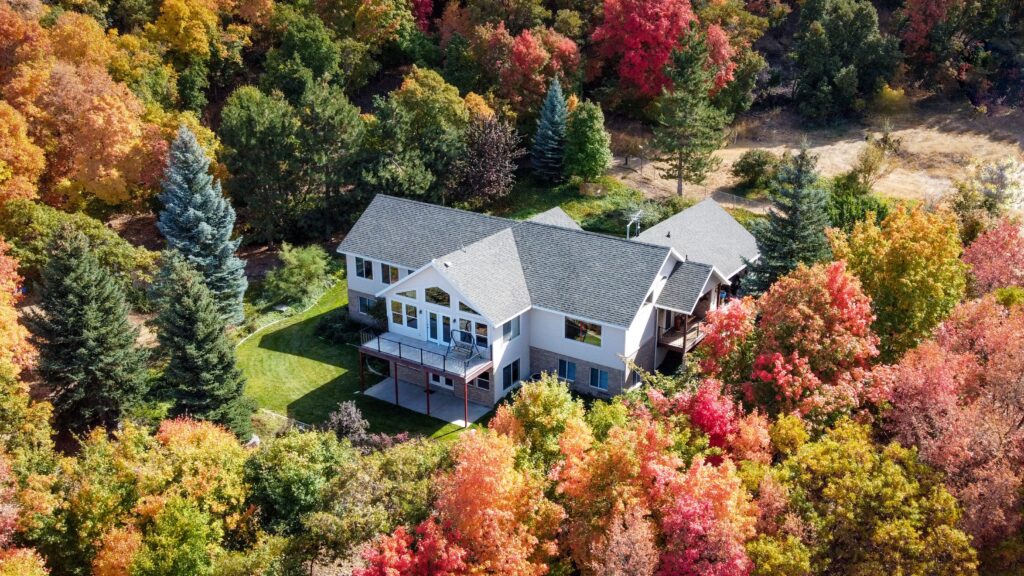
As summer turns to fall, New Jersey landlords have more to think about than changing temperatures and falling leaves. Seasonal transitions create new maintenance challenges, increase liability risks, and present important legal obligations for property owners. From ensuring safe walkways to addressing heating system concerns and maintaining common areas, proactive property management can help landlords avoid costly disputes and potential legal claims.
For landlords, understanding your legal obligations before the fall season arrives can help protect both your investment and your tenants. At UBFK Law, we regularly advise property owners on
landlord-tenant matters, compliance concerns, and property management legal issues throughout New Jersey.
Why Fall Preparation Matters for New Jersey Landlords
As weather conditions begin to change, rental properties often require additional maintenance to remain safe and habitable. Ignoring seasonal property concerns can lead to tenant complaints, property damage, liability claims, and even legal disputes. Proactive maintenance not only protects tenants but can also help landlords comply with their legal obligations under New Jersey law.
Some of the most common fall-related concerns include:
- Slippery sidewalks and walkways
- Clogged gutters and drainage systems
- Outdoor lighting deficiencies
- Heating system maintenance
- Roof and exterior damage
- Tree and landscaping hazards
- Common area safety issues
Addressing these concerns early can help avoid larger problems later in the season.
Understanding Landlord Responsibilities in NJ
One of the most important aspects of rental property ownership is maintaining safe and habitable living conditions. Generally, landlord responsibilities NJ property owners must consider include:
- Maintaining common areas in a reasonably safe condition
- Addressing necessary repairs in a timely manner
- Ensuring essential systems are functioning properly
- Complying with applicable housing codes
- Responding appropriately to maintenance requests
- Preventing known hazards from creating risks to tenants and guests
Failure to address property issues may expose landlords to legal liability if injuries or damages occur.
Inspect Property Exteriors Before Fall Arrives
Fall weather can quickly expose weaknesses in a property’s exterior. Landlords should consider inspecting:
Roofs and Gutters
Leaves and debris can clog gutters and downspouts, increasing the risk of water damage and ice formation later in the year.
Walkways and Sidewalks
Cracks, uneven pavement, and loose surfaces can become slip-and-fall hazards, especially during wet weather.
Outdoor Lighting
Shorter days make proper lighting increasingly important. Exterior lights should be operational in parking lots, entrances, stairways, and common areas.
Trees and Landscaping
Dead branches or overgrown vegetation can create safety hazards and potential property damage during storms.
Heating System Maintenance Is Critical
As temperatures drop, tenants rely on heating systems to provide safe and comfortable living conditions. Landlords should:
- Schedule seasonal HVAC inspections
- Replace filters as needed
- Address known repair issues promptly
- Verify that heating systems are operating properly
Heating-related complaints often increase during colder months, making preventative maintenance especially valuable.
Common Property Management Legal Issues
Many property management legal issues arise not because landlords intentionally violate the law, but because maintenance concerns are delayed or communication breaks down. Common disputes may involve:
Habitability Concerns
Tenants may raise concerns about heating, water intrusion, mold, or unsafe conditions.
Maintenance Delays
Failing to respond to repair requests in a timely manner can escalate minor issues into larger disputes.
Slip and Fall Accidents
Wet leaves, poor lighting, snow accumulation, and uneven surfaces can increase premises liability risks.
Lease Compliance Issues
Seasonal property concerns may also lead to disputes regarding tenant responsibilities, maintenance obligations, or property use restrictions.
Best Practices for Landlords This Fall
Property owners can reduce legal risks by following a proactive approach.
Conduct Routine Inspections
Regular inspections help identify maintenance concerns before they become significant problems.
Maintain Written Records
Document inspections, repairs, maintenance requests, and communications with tenants.
Respond Promptly to Tenant Concerns
Addressing issues quickly often helps prevent disputes from escalating.
Review Lease Agreements
Ensure lease terms clearly outline landlord and tenant responsibilities regarding maintenance and property care.
Work With Qualified Professionals
Licensed contractors and service providers can assist with inspections, repairs, and seasonal maintenance needs.
Premises Liability Risks During the Fall Season
Property owners have a duty to address reasonably foreseeable hazards. Common fall-related liability issues include:
- Wet leaves on walkways
- Slippery entrances
- Poor lighting conditions
- Broken railings
- Uneven sidewalks
- Drainage problems
If a tenant or visitor is injured due to a dangerous condition that should have been addressed, a landlord may face a premises liability claim. Taking preventive measures can significantly reduce these risks.
How UBFK Law Assists Landlords in Monmouth County
At UBFK Law, we help landlords navigate a wide range of legal matters, including lease disputes, compliance concerns, eviction proceedings, premises liability issues, and other property management challenges.
Our attorneys serve property owners throughout Manalapan, Marlboro, Freehold, Colts Neck, Howell, communities across Monmouth County and throughout New Jersey. We provide practical legal guidance designed to help landlords protect their properties and minimize legal exposure.
Call UBFK Law Today Regarding Compliance Concerns
Fall is the perfect time to evaluate your rental properties and ensure you’re meeting your legal obligations as a property owner.
Contact UBFK Law today to discuss landlord responsibilities property owners should understand and receive guidance on property management legal issues before they become costly legal problems.
Frequently Asked Questions
What are a landlord’s responsibilities in New Jersey?
Landlords generally must maintain safe and habitable rental properties, address necessary repairs, comply with housing regulations, and maintain common areas in a reasonably safe condition.
Why is fall maintenance important for landlords?
Fall maintenance helps prevent property damage, reduces liability risks, addresses seasonal hazards, and ensures tenants have safe living conditions.
Can a landlord be liable for a slip-and-fall accident?
Potentially. A landlord may be responsible if a dangerous condition existed on the property and reasonable steps were not taken to address it.
What are common property management legal issues?
Common issues include maintenance disputes, lease violations, habitability concerns, premises liability claims, security deposit disputes, and eviction matters.